
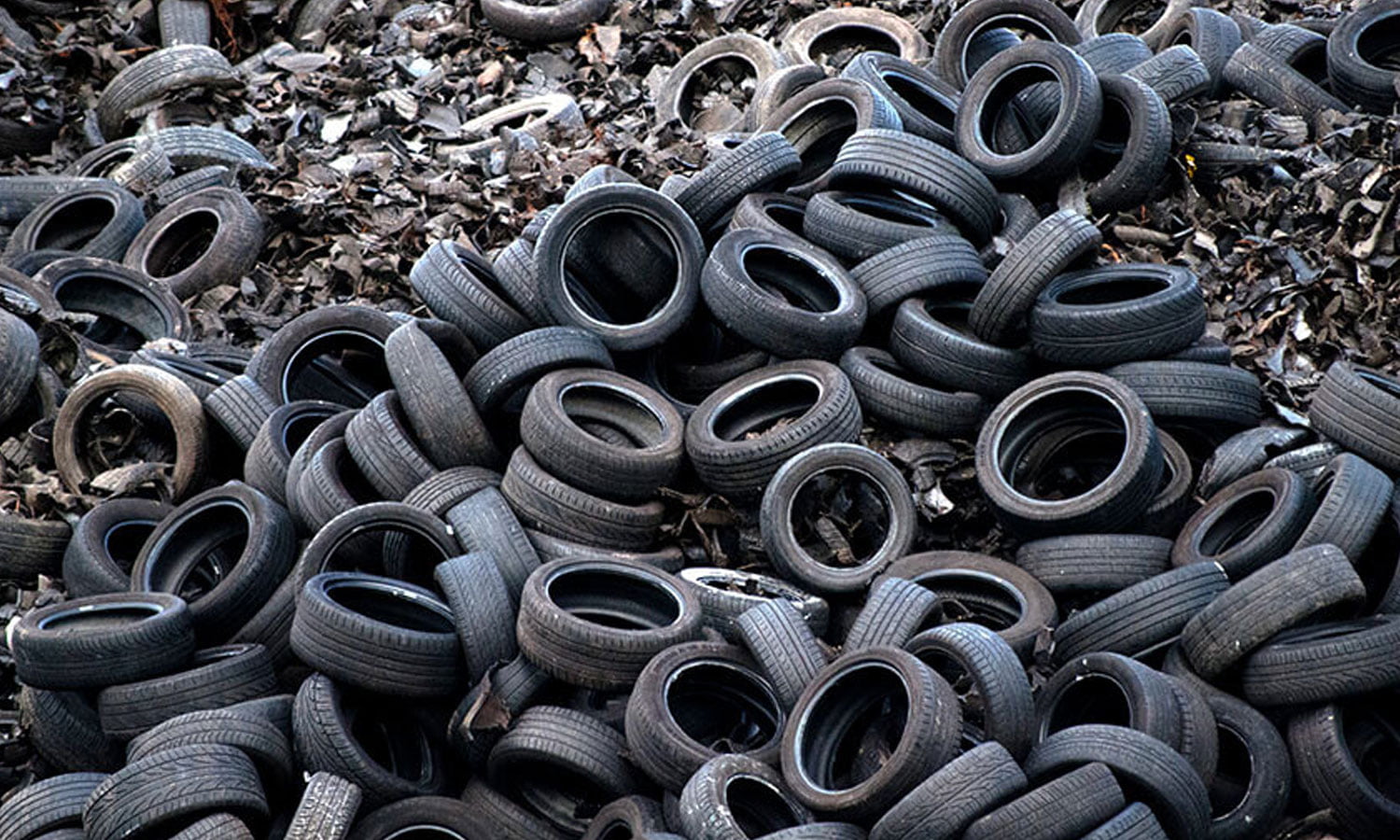
The disposal of waste from a rubber factory should be approached with careful consideration for environmental impact and compliance with local regulations. Improper disposal can lead to environmental pollution and legal consequences. Here are proper ways to dispose of waste from a rubber factory:
- Segregation of Waste:
Categorize waste into different types, such as scrap rubber, packaging materials, chemical waste, and other non-recyclable items. Segregating waste at the source facilitates proper disposal and recycling.
- Recycling:
Explore recycling options for rubber waste. Scrap rubber, for example, can often be recycled into various products, including flooring, mats, or even reprocessed for use in new rubber products. Establish partnerships with recycling facilities to responsibly manage waste materials.
- Reusing Scrap:
Where possible, consider reusing scrap rubber within the factory. Some manufacturing processes may allow for the reintegration of certain types of waste back into production.
- Energy Recovery:
Investigate options for energy recovery from certain types of waste. In some cases, waste materials can be used as a source of energy through processes like incineration, which can contribute to reducing the environmental impact.
- Compliance with Regulations:
Stay informed about local, regional, and national regulations regarding the disposal of industrial waste. Ensure compliance with standards related to hazardous waste, emissions, and other environmental considerations.
- Hazardous Waste Disposal:
Properly handle and dispose of hazardous waste, such as chemicals used in the manufacturing process. Follow established guidelines for the disposal of hazardous materials, and consider outsourcing this process to licensed waste disposal facilities.
- Waste-to-Energy Facilities:
Explore the possibility of utilizing waste-to-energy facilities if available in your region. Some facilities can convert certain types of waste into energy through advanced technologies.
- Landfill Disposal (as a last resort):
Use landfill disposal only as a last resort for waste that cannot be recycled, reused, or recovered in any other way. Ensure that the landfill is properly managed and complies with environmental regulations.
- Documentation and Record-Keeping:
Maintain accurate records of waste disposal activities, including the types and quantities of waste generated, recycling efforts, and disposal methods. This documentation is essential for regulatory compliance and environmental audits.
- Environmental Impact Assessment:
Periodically assess the environmental impact of waste disposal methods used by the factory. Consider conducting environmental impact assessments to identify areas for improvement and implement more sustainable waste management practices.
By adopting a comprehensive waste management strategy that prioritizes recycling, reusing, and proper disposal methods, a rubber goods factory can minimize its environmental footprint and contribute to a more sustainable and responsible industrial operation. Always consult with environmental experts and local authorities to ensure that waste disposal practices align with current regulations and environmental best practices.